

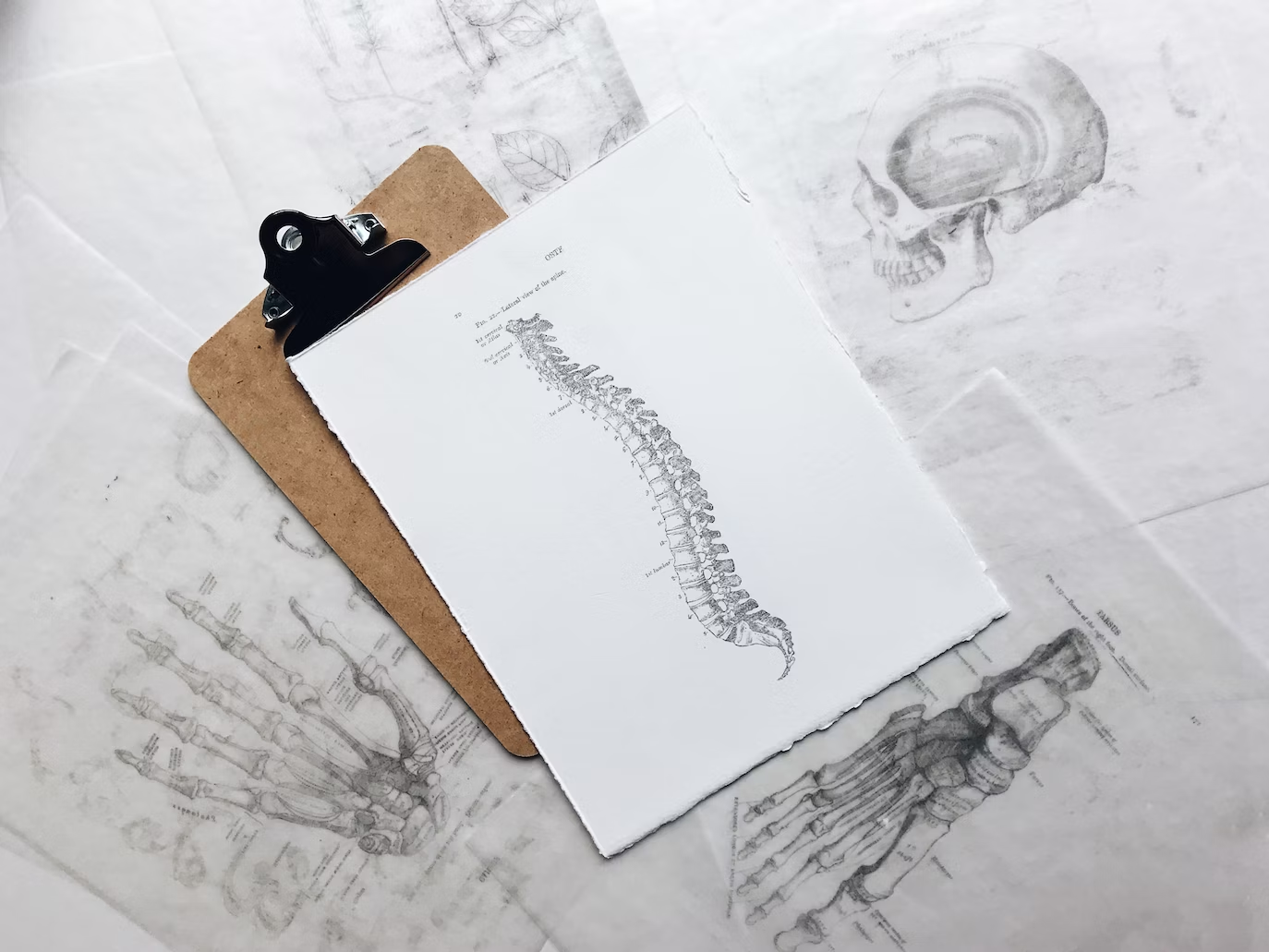
Your spine serves a crucial function in maintaining your health. It links your brain to the rest of your body, provides support, flexibility, and structure, and helps you respond to sudden stimuli. Despite its crucial role in the body, we often neglect spine health.
Our modern lifestyle also promotes poor spine health, incentivizing hunching on laptops and phones all day. Consequently, you can suffer from back pain, herniated discs, and other spinal problems. Spine issues can be painful and challenging to treat with. To avoid them, you must work on maintaining the optimal spine health. Here are some ways you can take care of your spine.
Maintain Good Posture
The most crucial step in maintaining good spine health is to fix your posture, as poor posture contributes to spinal damage over time. Maintaining good posture ensures the spine is correctly aligned, reducing stress on the ligaments and supporting structures.
When sitting on a chair, ensure that the chair and desk are at the right height to support a natural and relaxed posture. Position the computer monitor at eye level to reduce strain on the neck and keep the keyboard and mouse within easy reach. Your chair should also have good lumbar support, and you should use pillows for back support if needed.
Similarly, keep the ears, shoulders, and hips in a straight line while standing, promoting a neutral spine position. If you need to pick anything up, bend at the knees when lifting to engage the leg muscles, reducing strain on the back.
Exercising Regularly
Exercising regularly is crucial to maintaining good health, particularly musculoskeletal health. To maintain your spine health, do exercises that strengthen the muscles that support the spine and improve flexibility.
Core strengthening exercises like planks are perfectly good for spinal health. Similarly, cardio exercises like walking improve blood flow to your spine. Whether on a stationary bike or outdoors, cycling is also an excellent way to improve cardiovascular health and strengthen the leg and core muscles.
Yoga exercises can also help with spinal health. Try the cat-cow stretch that involves moving between arcing and rounding your back, promoting flexibility and mobility in the spine. A downward dog strengthens the entire back and stretches the hamstrings and shoulders, promoting overall flexibility.
Seek Medical Attention
Never ignore your back pain, and see an expert as soon as possible. It is possible that you may have a herniated disk and need immediate medical attention. The more you ignore your pain, the worse it can get.
However, sometimes conventional medicine may not help with your problem. In such a situation, complementary and alternative medicine (CAM) therapies, like chiropractic care, can be helpful. A chiropractor can realign your spine in a non-invasive manner, ensuring your optimal health. Always check with your healthcare provider to see if chiropractic care would benefit you.
Change Your Lifestyle
Changing your lifestyle is another great way to ensure good spine health. You must maintain a healthy weight to reduce the load on the spine, preventing excessive pressure on vertebrae and discs. Consider regular exercise and watch your diet to ensure you don’t gain too much weight.
If you are a smoker, you should stop smoking immediately. Smoking restricts blood flow, impacting the nutrient supply to spinal discs. Quitting smoking enhances disc nutrition, supporting their health. It is also linked to accelerated disc degeneration, and quitting smoking lowers the risk of disc-related issues and improves overall spine resilience.
A healthy, balanced diet and proper water intake benefit the spine. Adequate water intake supports the hydration of intervertebral discs, maintaining their shock-absorbing properties. Anti-inflammatory foods, such as omega-3 fatty acids, reduce inflammation in the spine.
Focus On Sleeping Habits
Poor sleeping habits and bedding can damage your spine. Invest in a good quality mattress and pillow and work on your sleeping posture to maintain good spine health. Choose a mattress that provides adequate support for your spine. The level of firmness depends on personal preference, but generally, a mattress that is too soft may not provide enough support, while one that is too firm can create pressure points. Consider a memory foam, which conforms to the shape of your body, offering support and reducing pressure points.
Choose a pillow that maintains the natural curve of your neck. The goal is to keep the head and neck in alignment with the spine. The thickness of the pillow depends on your sleeping position. Remember that the pillow choice depends upon your sleeping posture. Back sleepers need a thinner pillow, while side sleepers need a thicker one. Stomach sleepers should not use a pillow or a very thin one to reduce strain on their neck. If you switch positions during the night, choose a pillow that accommodates different sleeping postures.
Endnote
Your spine is vital to your overall health, so you should never neglect it. Spinal issues like herniated discs can cause immense back pain and lower your quality of life. Preventative measures like posture training and lifestyle changes are essential to maintain excellent spine health. Ensure your workspace is ergonomic and has chairs with lumbar support. Likewise, be careful with your posture when standing or lifting things. Manage your weight, quit smoking, and eat a healthy, nutrient-rich diet. Consider seeing a chiropractor if needed. These practices can help you avoid most spinal complications.


