
Overview
In recent years, our culture has become acutely aware of alcohol misuse. As such, there has been a noticeable increase in public awareness about alcohol detox. People wanting to detox from alcohol can get professional medical treatment in a clinic or detox at home. Home alcohol detox can also be medically supervised. Still, some people prefer the DIY method.
Home alcohol detox is safe and makes a great alternative to inpatient treatment. Still, though, it is important to speak to your doctor before you attempt to detox from alcohol at home. There may be legitimate reasons he or she would rather see you treated at a clinic. If both you and your doctor feel that alcohol withdrawal treatment at home is appropriate, you'll then have to discuss whether it will be medically supervised or done on your own.
Yet not decided to detox yourself?
Let’s find out why detox is necessary!
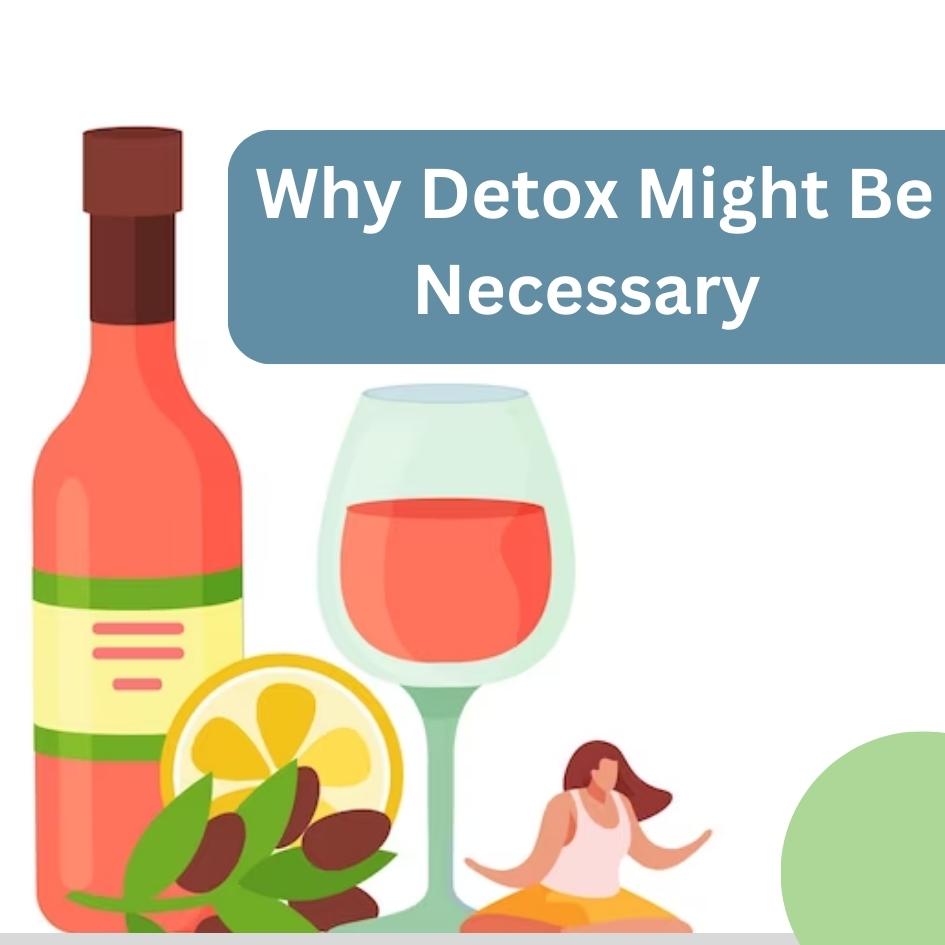
Why Detox Might Be Necessary?
Whether you choose medically supervised home alcohol detox or decide to go it alone, understanding why you need to detox might make the journey easier. The more you know about how alcohol affects your body, the better you'll understand what you're going through during the process itself.
Alcohol is a drug that affects the brain by binding to certain brain receptors. You feel the effects of alcohol because your body isn't used to those brain receptors being stimulated. But with consistent alcohol consumption, things change. Your body gets used to having alcohol in the system. You don't feel the effects as much.
Over time, you might discover that you need to consume more alcohol to feel what you used to feel with just one or two drinks. This is where alcohol starts becoming a problem. Ideally, you don't want to continue having to increase the amount you drink. So your other option is to detox.
Here is how Detox actually works!
How Detox Actually Works?
The point of alcohol detox is to rid your body of alcohol and give it time to get used to this new normal. Decades ago, we used to think that the best approach was cold turkey. A more gradual approach is preferred these days.
In a home alcohol detox situation, the goal is to gradually reduce your consumption. If you consume four or five units of alcohol per day, you might remove just one unit for the first few days. Then you take away a second unit, and a third, and so on.
Supplementing with vitamins, minerals, and a well-balanced diet can help by reducing the severity of your withdrawal symptoms. Remember that alcohol robs your body of valuable nutrients. During home detox, you want to replace those nutrients so that your body has the natural materials it needs to ensure good health.
As your body gets used to progressively lower levels of alcohol in your system, you will gradually start feeling better. Within a few weeks, you'll hopefully be completely alcohol-free.
More About Medically Supervised Detox
The alcohol withdrawal at home process just described applies to DIY detox. Medically supervised detox is similar, but there are a few differences. First and foremost, medical supervision includes keeping in contact with your medical provider. You may even get a few visits from a registered nurse who will check on your health and provide prescription medication.
Speaking of medication, it is the other substantial difference between DIY and medically supervised detox. Medications are offered to take the edge off your withdrawal symptoms so that you can detox more comfortably.
You will need a support system!
Support System Is a Key
With both medically supervised and DIY home detox, having a support system in place is key. Most people who detox at home ask a friend or family member to stay with them during the process. That person can be there to provide comfort and physical support when needed.
The people you might ask to help with alcohol withdrawal at home can remind you to get as much rest as you can. They can help by making sure you stay hydrated and that you are eating foods high in nutrition. You will need as much help as you can get to ensure a safe detox at home.

You Can Do This
Are you considering weaning yourself from alcohol?
Yes, you can do it!
Do you feel like it's time for you to cut down or completely eliminate alcohol from your life? If so, you may be a perfect candidate for home alcohol detox. Just do yourself a favor and don't make a decision until you speak with your doctor.
Home alcohol detox can be safe and successful when it is the right choice. Otherwise, medically supervised detox in a clinic is always possible.