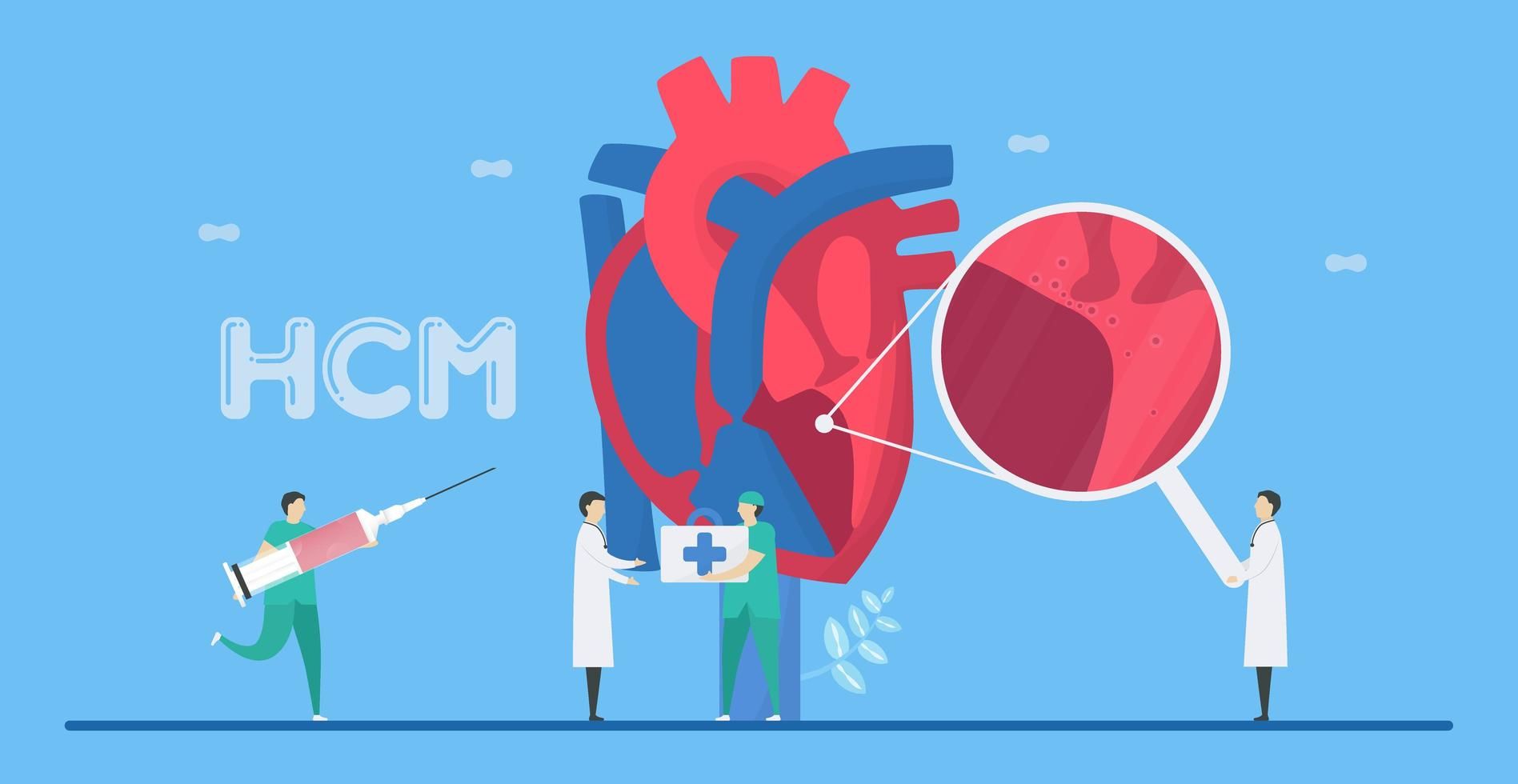

In today's fast-paced world, in the hustle and bustle of daily life, there are many silent threats that lurk within. These are often imperceptible but life-threatening. One of them is Hypertensive Arteriosclerotic Cardiovascular Disease (HACVD).
HACVD are a part of Cardiovascular diseases (CVDs). They are the leading cause of deaths globally. Accounting for 17.9 million lives lost each year.
Did You Know?
Statistics reveal that HACVD is a widespread concern that affects a large chunk of the population. A primary precursor to this cardiovascular condition is high blood pressure. The global prevalence of hypertension is 26.4% accounting for 1.1 billion people. Yet only 1 in 5 people have adequately managed blood pressure. There are more than 700 million people with untreated hypertension, worldwide.
Let's embark on a journey into HACVD!
What is Hypertensive-Arteriosclerotic Cardiovascular Disease (HACVD)?
It’s a health condition where high blood pressure and hardened arteries work together to damage the heart and blood vessels. This increases the risk of heart disease and stroke.
- High Blood Pressure: It's seen when blood pushes too hard on artery walls, causing health problems. It can damage and narrow arteries, restricting blood flow.
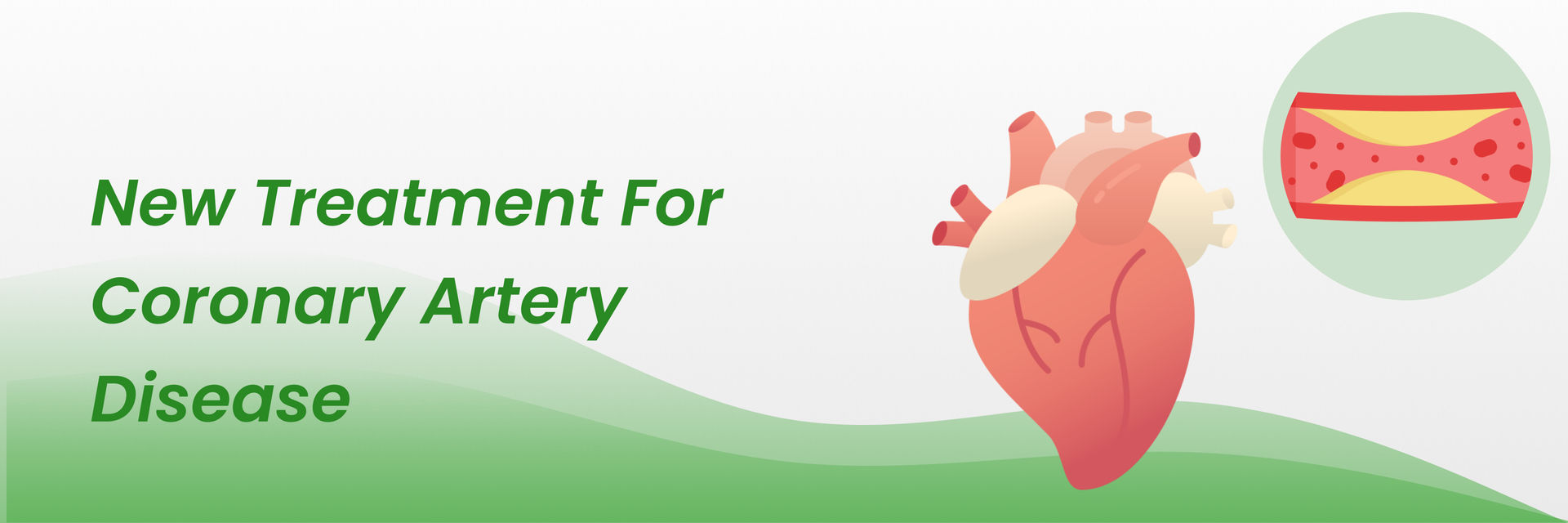
- Arteriosclerosis: It occurs when artery walls get thick, hard, and lose their elasticity. It can block blood flow, leading to severe issues like stroke or heart attacks. More so, when combined with high blood pressure.
When you have both high blood pressure and arteriosclerosis, it makes your heart disease worse. This double-edged combination can lead to heart problems, strokes, and more.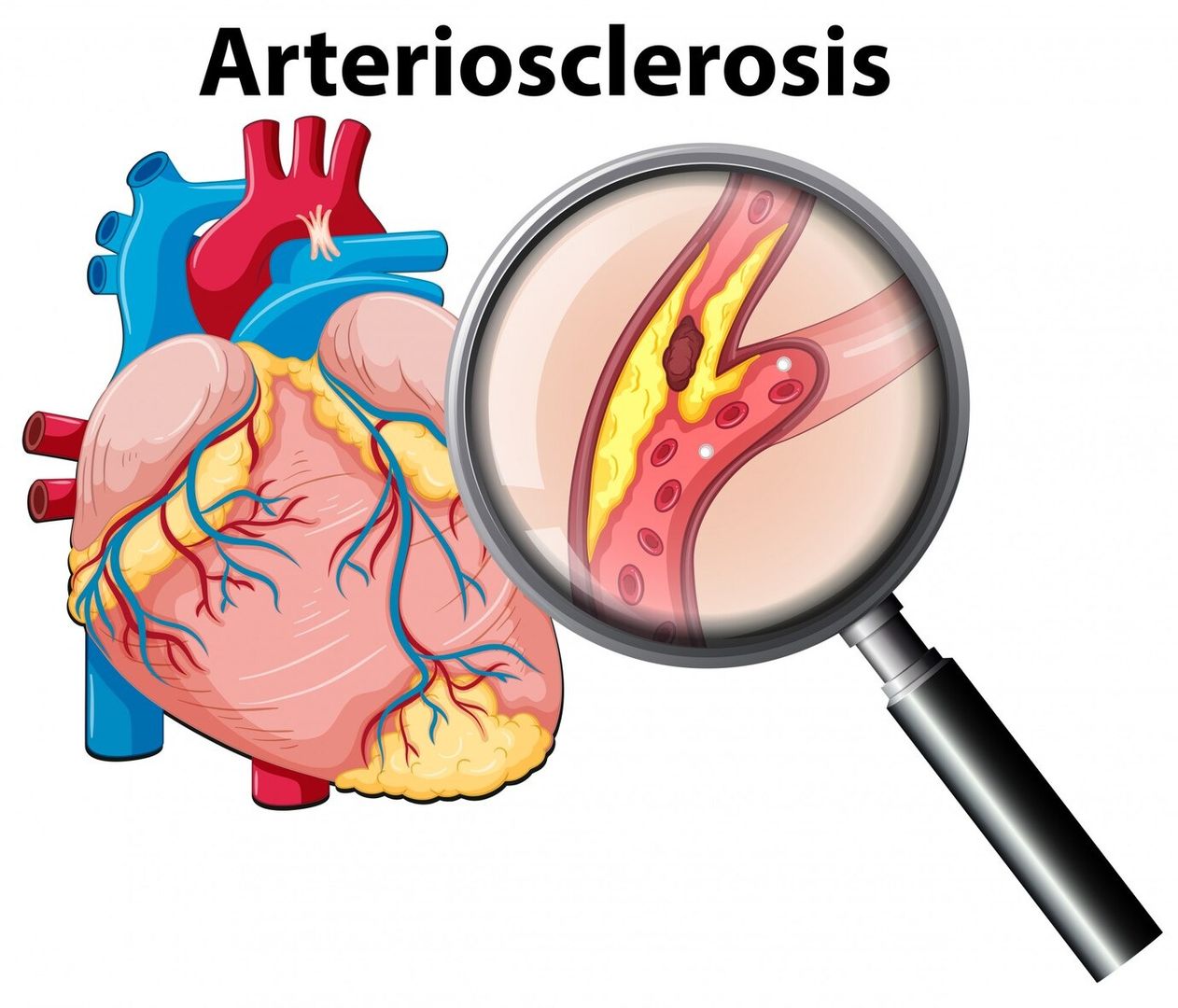
So, let's talk numbers. Just how common is Hypertensive-Arteriosclerotic Cardiovascular Disease?
How Common is Hypertensive-Arteriosclerotic Cardiovascular Disease?
Data from WHO and various health organizations in different countries show that it is a significant public health concern. It is common in many parts of the world, especially in developed countries where lifestyle factors like poor diet, lack of exercise, and stress contribute to its prevalence.
Your risk of getting HACVD depends on your age, gender, genes, and lifestyle. It can lead to issues like heart artery disease, a thickened heart, and heart failure. To lower your risk, manage high blood pressure with a healthy lifestyle—good diet, exercise, stress control, and medicines.
Get your blood pressure regularly checked and avail early medical help to prevent its complications.

Take your first step towards healing. Request a Free Consultation.
Alright, let's talk about how doctors actually spot Hypertensive-arteriosclerotic cardiovascular disease? Let's break it down.
How is Hypertensive-Arteriosclerotic Cardiovascular Disease Diagnosed?
Hypertensive-arteriosclerotic cardiovascular disease is diagnosed through:
- Blood Pressure Measurement: High blood pressure is a key indicator.
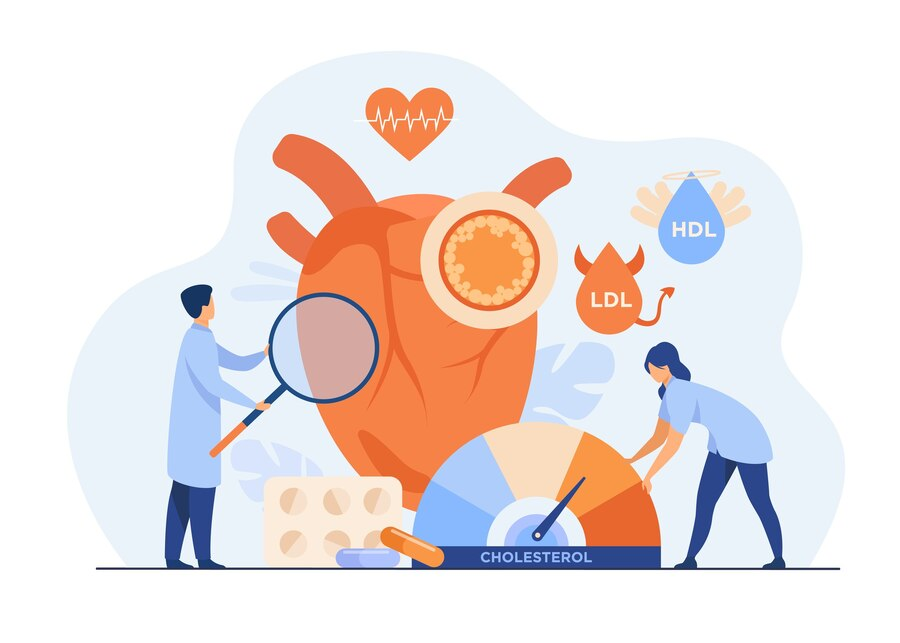
- Cholesterol Tests: Assessing cholesterol levels helps identify arterial plaque.
- ECG or EKG: Records heart's electrical activity to detect irregularities.
- Imaging Tests: X-rays or ultrasound to visualize arteries and heart.
- Medical History and Physical Exam: Evaluating risk factors and symptoms.
Diagnosis combines these methods for a comprehensive assessment. Regular check-ups are crucial for early detection and management.

Let's Chat: What's at the Root of Hypertensive-Arteriosclerotic Cardiovascular Disease?
What Causes Hypertensive-Arteriosclerotic Cardiovascular Disease?
- Hypertension: The major causative factor is high blood pressure. In the course of epidemiological studies, arterial hypertension was found to be the most significant modifiable CV risk factor. It accounts for 48% of all strokes and 18% of all coronary events. Thus, antihypertensive treatment is still the cornerstone of primary and secondary prevention of CVD. But unfortunately, only about 40% of patients receive medication and only 1/3 of them are successfully treated.
- Heart Strain: High blood pressure makes the heart work harder. Over time, this thickens and stiffens heart muscles, making it less efficient.
- Blood Vessel Wear and Tear: High blood pressure can harm blood vessel linings. This makes them more prone to plaque buildup or atherosclerosis.
- Plaque Buildup: This causes narrowing and reduces blood flow to the heart. This can lead to chest pain or angina and eventually, heart attacks.
- Heart Expansion: To cope with the extra workload, the heart enlarges. This results in left ventricular hypertrophy. This diminishes the heart's function.
- Genetics: Family history of heart disease.
- Lifestyle Choices: Diet and exercise can also influence your risk of developing hypertensive heart disease.
- The key is to manage and control high blood pressure effectively to prevent or lessen this condition and its complications. If you suspect you might have it, it's wise to seek guidance from a healthcare professional for a comprehensive evaluation.
Understanding Heart Health: Simple Signs of Hypertensive-Arteriosclerotic Cardiovascular Disease.
What are the Symptoms of Hypertensive-Arteriosclerotic Cardiovascular Disease?
Chest Pain or Angina: The most common clinical consequences of atherosclerosis are angina pectoris and acute coronary syndromes due to plaque instability.
Shortness of Breath: Breathing trouble, especially during activity or lying down, could mean heart issues.
Fatigue: Feeling extremely tired or weak is common and might be linked to your heart.
Swelling: Watch for swelling in your legs, ankles, or feet due to fluid buildup, often linked to heart problems.
Irregular Heartbeat: Sometimes, your heart may beat irregularly or flutter.
Dizziness or Fainting: Reduced blood flow to your brain can make you feel dizzy or pass out.
High Blood Pressure: In some cases, high blood pressure can be a sign on its own, even without noticeable symptoms.
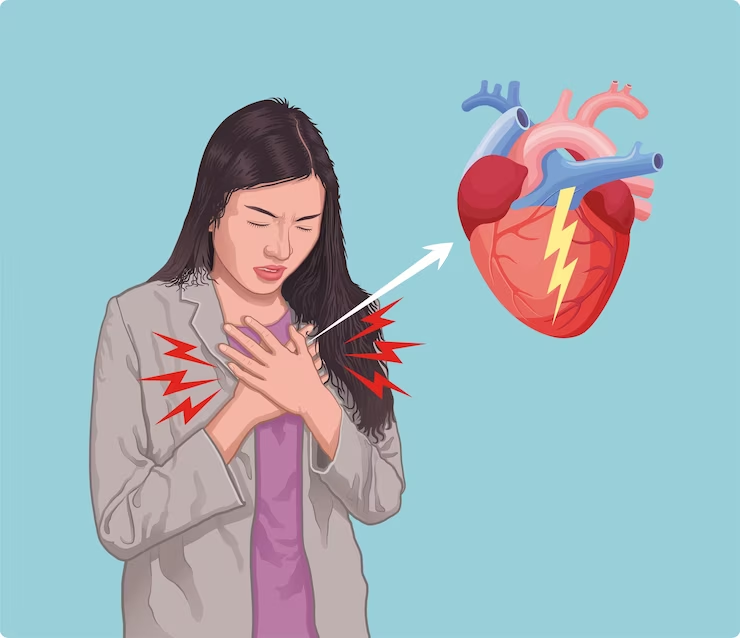
Your health is too important to ignore – schedule your appointment now.
Let's Talk Simple Solutions for Hypertensive-Arteriosclerotic Cardiovascular Disease.
How is Hypertensive-Arteriosclerotic Cardiovascular Disease Treated?
Hypertensive-Arteriosclerotic Cardiovascular Disease (HACVD) is managed with lifestyle changes and medicines. The goal is to control high blood pressure, reduce artery hardening, and prevent heart problems.
Let's see how you can manage it:
- Medications: Doctors prescribe drugs to lower high blood pressure and manage other risks. These may include blood pressure pills, cholesterol-lowering meds, and blood thinners.
- Blood Pressure Check: Keep an eye on your blood pressure regularly.
- Manage Other Health Issues: If you have conditions like diabetes, it's important to keep them under control.
- Cardiac Rehabilitation: Sometimes, doctors suggest cardiac rehabilitation programs to improve heart health after an event.
- Surgery: In severe cases, you might need procedures like angioplasty, stents, or bypass surgery to fix blocked arteries.
- Medicines to lower blood clots: This will lower your risk of heart problems. But talk to your healthcare provider about this as it may have side effects.
Discuss with your doctor for the best treatment plan.
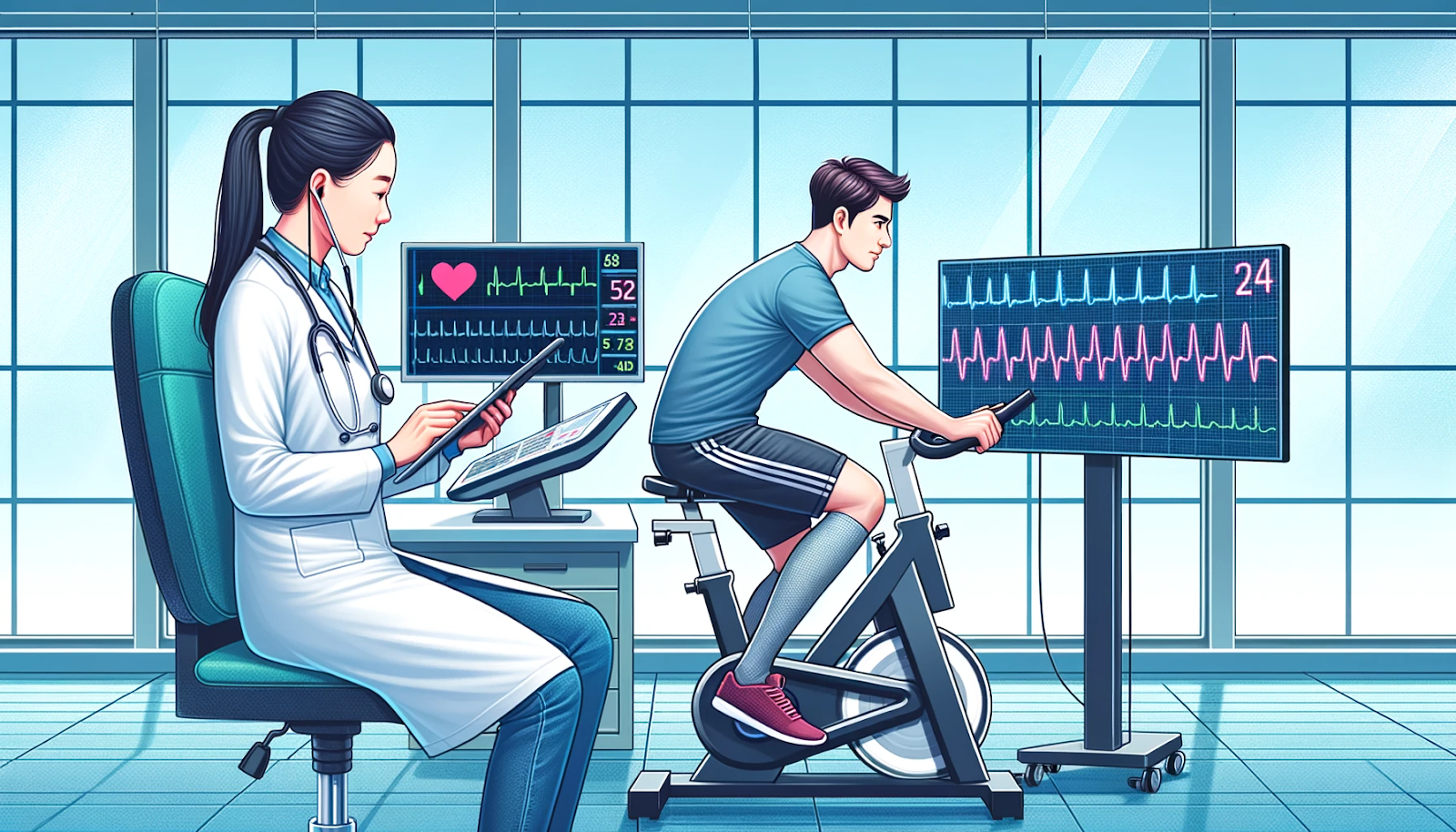
Let's talk about the game plan for managing Hypertensive-Arteriosclerotic Cardiovascular Disease. What lifestyle changes can really make a difference here?
What Lifestyle Changes are Recommended for Managing Hypertensive-Arteriosclerotic Cardiovascular Disease?
Adjusting your lifestyle can significantly help manage Hypertensive-Arteriosclerotic Cardiovascular Disease. Here are key recommendations:
- Heart-Healthy Diet:
- Emphasize fruits, vegetables, whole grains, and lean proteins.
- Limit salt and saturated fats to support blood pressure and cholesterol control.
- Regular Exercise:
- Engage in moderate aerobic activities like walking or swimming.
- Aim for at least 150 minutes per week, as advised by your healthcare provider.
- Weight Management:
- Maintain a healthy weight through a balanced diet and regular exercise.
- Quit Smoking:
- If you smoke, seek support to quit. Smoking worsens cardiovascular health.
- Limit Alcohol Intake:
- Moderate alcohol consumption is advised. Check with your doctor for personalized guidance.
- Stress Management:
- Practice stress-reducing activities such as deep breathing, meditation, or yoga.
- Regular Health Check-ups:
- Attend regular check-ups to monitor blood pressure, cholesterol levels, and overall heart health.

Take charge of your health and your life. Contact us today!
How can Hypertensive-Arteriosclerotic Cardiovascular Disease be Prevented?
Preventing Hypertensive-Arteriosclerotic Cardiovascular Disease involves adopting a heart-healthy lifestyle. Here's a guide:
- Healthy Eating:
- Emphasize a balanced diet rich in fruits, vegetables, whole grains, and lean proteins.
- Limit salt and saturated fats to maintain optimal blood pressure and cholesterol levels.
- Regular Exercise:
- Engage in moderate aerobic activities like brisk walking or cycling.
- Strive for at least 150 minutes of moderate-intensity exercise per week.
- Maintain a Healthy Weight:
- Achieve and maintain a weight that is healthy for your body type.
- Quit Smoking:
- If you smoke, seek assistance to quit. Smoking is a major risk factor for cardiovascular disease.
- Limit Alcohol Intake:
- Moderation is key. Consult with your healthcare provider for personalized recommendations.
- Stress Management:
- Practice stress-reducing activities like deep breathing, meditation, or yoga.
- Regular Health Check-ups:
- Schedule routine check-ups to monitor blood pressure, cholesterol, and overall heart health.
- Know Your Family History:
- Be aware of any family history of cardiovascular disease and share it with your healthcare provider.
References:
https://www.who.int/health-topics/cardiovascular-diseases
https://www.who.int/news/item/25-08-2021-more-than-700-million-people-with-untreated-hypertension
https://www.ncbi.nlm.nih.gov/books/NBK539800/.