

Overview
In Western countries, the prevalence of CKD varies depending on the specific country and population. For example:
- In the United States, an estimated 14% of adults have CKD, with the highest rates among older adults and specific minority populations.
- In the United Kingdom, an estimated 11% of adults have some degree of CKD.
- In Canada, an estimated 10% of adults have CKD.
End-stage renal disease (ESRD), also called kidney failure, is the last stage of CKD. Statistics for USA, UK, and Canada are as follows:
- In the United States, there are more than 600,000 people living with ESRD.
- In the United Kingdom, there are around 50,000 people with ESRD.
- In Canada, the number of patients with ESRD is around 60,000.
Keep in mind that this is not a comprehensive statistic. Other factors like population, diet, and access to healthcare also affect kidney failure statistics. Furthermore, a heart attack can make you more susceptible to kidney failure.
You may wonder how a heart attack may lead to kidney failure. So, let’s read on to understand the link.
What is the link between kidney failure and heart attack?

During a heart attack, the blood flow to the heart is restricted. Due to this, the blood flow to other organs, such as the kidneys, also gets affected. One of the most significant ways it affects the kidneys is by causing kidney failure due to the following:
- When the kidneys do not receive enough blood, they cannot filter waste and fluids effectively. This leads to a build-up of toxins in the body and kidney failure.
- A build-up of waste and fluids can further strain the kidneys, causing an increase in blood pressure. High blood pressure is another risk factor for kidney failure.
- Systemic inflammation and releasing toxic substances such as creatinine, myoglobin, and others can directly damage the renal tubular cells.
It is important for heart attack patients to be aware of the early signs and symptoms of kidney failure. This will enable them to receive timely treatment to prevent long-term kidney damage and without opting for heart surgery.
Your health is too important to ignore – schedule your appointment now.
Do you know the warning signs of kidney failure? Learn what to look out for so you can get timely help.
What are the signs and symptoms of Kidney Failure?
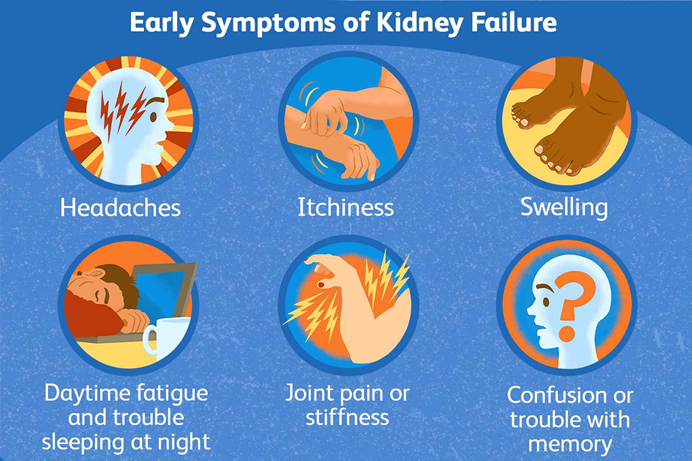
The signs and symptoms of kidney failure can vary depending on its cause and severity of the condition, but they may include the following:
- Changes in urine output, including decreased urine production or the complete lack of urine production.
- Swelling in the legs, feet, and ankles, possibly accompanied by puffiness around the eyes.
- Fatigue and weakness, and difficulty concentrating.
- Nausea and vomiting
- Shortness of breath
- Loss of appetite
- Excessive bruising and bleeding due to changes in blood clotting.
- Confusion and disorientation due to the accumulation of toxins in the brain.
- Pain in the back or side caused by an obstruction of the urinary tract.
- High Creatinine and Urea levels, which are metabolic waste.
It is important to note that not all people with acute kidney injury or kidney failure may have all these signs and symptoms, and sometimes it can happen without any noticeable symptoms. In severe cases, acute kidney injury may progress to chronic kidney disease or even end-stage renal disease (ESRD) requiring dialysis or kidney transplant.
Please don't wait for acute kidney injury to become chronic. Look out for the early symptoms and take action before it is too late, especially if you have previously had a heart attack.
Take charge of your health and your life. Contact us today!
How common is kidney failure after a heart attack?

Kidney or renal failure after a heart attack is not uncommon, and a higher risk of death is associated with it.
Studies have shown that between 5 and 10% of patients who have had a heart attack will develop kidney failure.
A study published in the Journal of the American Society of Nephrology found that in the first 30 days after a heart attack, about 11% of patients develop AKI.
Another study published in the American Journal of Kidney Diseases revealed that among patients hospitalized with myocardial infarction, 12.5% of patients developed AKI.
- However, this rate can be much higher in certain populations, including:
- the overall health of the patient
- any underlying kidney or cardiovascular conditions
- patient with diabetes and hypertension
- older patients
So, it is essential to regularly check kidney function through a blood test, especially in patients with known risk factors for acute kidney injury.
Let us understand the prognosis of kidney failure after a heart attack.
What are the chances of surviving kidney failure after a heart attack?
In general, patients who have had a heart attack and develop kidney failure are at a higher risk of mortality than those who do not. This is partly due to the underlying cardiovascular disease that led to the heart attack and the additional burden of kidney failure on the body.
However, with appropriate medical care and management, many patients with kidney failure can survive and maintain a good quality of life. If caught early, kidney damage can be reversible with appropriate treatments.
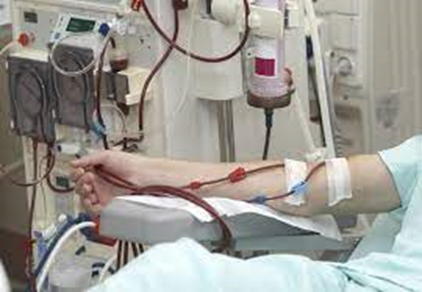
Patients with kidney failure will need to undergo dialysis or transplant to survive, and this requires long-term monitoring and care. Patients who receive a kidney transplant have a greater chance of survival than those who do not.
It is important to note that this prognosis is general, and individual outcomes will vary depending on multiple factors. Please remember that early detection and prompt treatment are critical in preventing or slowing the progression of kidney failure after a heart attack.
If you have any concerns, you should talk to your doctor or a kidney specialist to better understand your risk and what steps you can take to protect the health of your kidney.
Let us find out how one can prevent kidney failure following a heart attack.
Ways to prevent kidney failure after a heart attack

You can take several steps to avoid kidney failure after a heart attack, including:
- Early detection and treatment of heart attack: Getting prompt medical attention and treatment for a heart attack can help prevent kidney damage from occurring in the first place. This includes identifying symptoms of heart attack and seeking medical attention immediately.
- Controlling underlying conditions: Managing and treating underlying conditions such as diabetes and hypertension can help reduce the risk of kidney failure. This may include taking medication, maintaining a healthy diet and lifestyle, and regularly monitoring your blood sugar and blood pressure levels.
- Monitoring kidney function: Regular monitoring of kidney function through blood and urine tests can help detect early signs of kidney damage and allow for prompt intervention. This includes regular check-ups with your doctor and any additional tests as recommended.
- Blood pressure management: Blood pressure control is crucial in preventing kidney failure. You can maintain healthy blood pressure levels through lifestyle changes, such as a low-salt diet and regular exercise. Taking blood pressure medication as prescribed can also help to prevent kidney damage.
- Medications: Some medications like ACE inhibitors and ARBs, which are used to treat high blood pressure, can protect the kidneys.
- Follow-up care: Following up regularly with your doctor and adhering to his recommendations can help to detect and prevent kidney failure. It will also go a long way in avoiding other complications after a heart attack.
- It's always best to consult with a medical professional if you have any concerns or questions about the risk of kidney failure after a heart attack or other health conditions.

It is crucial to remember that the best way to prevent kidney failure after a heart attack is to maintain a healthy lifestyle. Early detection and treatment of underlying conditions like hypertension, diabetes, and heart conditions early are important.
By understanding the risk factors and taking steps to prevent kidney failure, patients who have had a heart attack can reduce their risk of this severe complication and improve their chances of survival.
Do you have any concerns or questions about your risk for kidney failure and the best course of action for you?
References:


