

Have you ever wondered why some diets work for others but not for you? Let's find out why.
Nutrition and genomics, or nutrigenomics, is a fascinating field that studies the relationship between genes and diet. It explores how genetic makeup can influence the body's response to different nutrients and dietary patterns.
Understanding the connection between diet and genetics is crucial for several reasons. It can help explain why a particular diet might be effective for one person but not another. It also allows personalized nutrition plans to optimize health and prevent diseases based on an individual's genetic profile.
Recent studies show that about 20-30% of an individual's risk of developing common diseases, such as obesity, diabetes, and cardiovascular diseases, can be attributed to genetic factors. This means that tailoring dietary recommendations to genetic profiles can enhance the effectiveness of nutritional interventions.
If you want to learn more about how your genes affect your diet, consulting with a specialist can provide valuable insights and personalised advice.
How is Nutrigenomics Different from General Nutrition?
- Personalization:
- General nutrition gives broad advice for everyone.
- Nutrigenomics gives specific advice based on your unique genes.
- Targeted Health Benefits:
- General nutrition aims to keep everyone healthy.
- Nutrigenomics helps improve health by focusing on your specific genetic needs.
- Precision:
- General nutrition says things like "eat more fruits and vegetables."
- Nutrigenomics tells you which fruits and vegetables are best for your genes.
Nutrigenomics is making it possible to have a diet that's designed for you, helping you stay healthier in a way that's right for your body.
The Science Behind Nutrigenomics
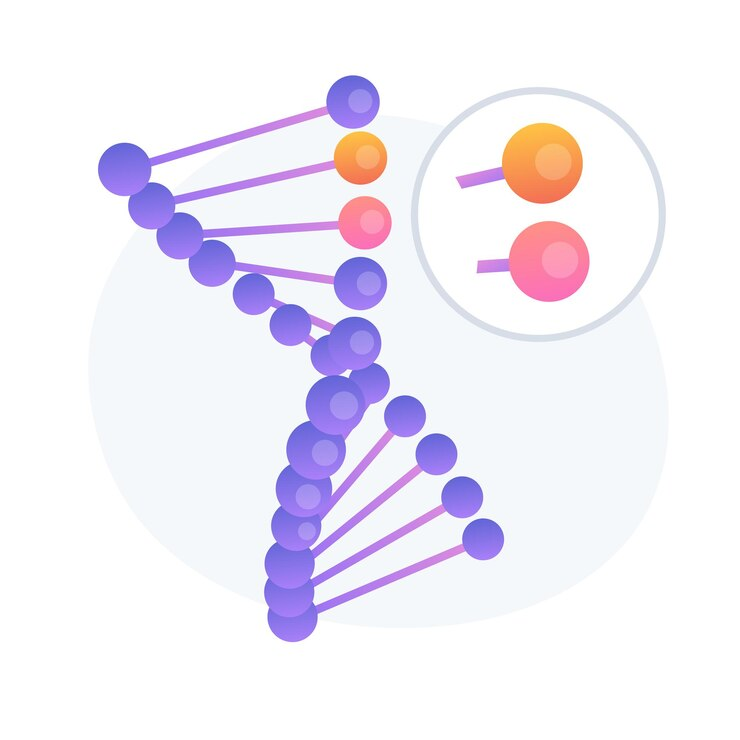
Overview of the Human Genome
The human genome is like a blueprint for our bodies. It contains all the genetic information that makes us who we are. Our genes are made up of DNA, which determines everything from our eye colour to how we process different foods.
How Genes Influence Nutritional Needs and Responses
- Vitamin and Mineral Requirements: Your genes can dictate how much of certain vitamins and minerals you need.
- Food Tolerances: Genetic variations can make it easier or harder to digest certain foods.
- Metabolic Rate: Genes can influence how you burn calories.
Ever thought about how a personalized diet can boost your health?
Benefits of Personalized Nutrition

How Personalised Nutrition Can Optimize Health
- Targeted Nutrient Intake: Personalized nutrition ensures you get the right amount of vitamins and minerals your body needs.
- Improved Digestion: Tailoring your diet can help avoid foods that cause digestive issues.
- Better Weight Management: Customized diets can be more effective for weight loss or maintenance.
- Reduced Disease Risk: Personalized plans can lower the risk of developing chronic diseases like diabetes, heart disease, and obesity.
Common Genetic Variants Affecting Nutrition
List of Common Genetic Variants
- MTHFR (Methylenetetrahydrofolate Reductase):
- Affects folate metabolism.
- APOE (Apolipoprotein E):
- Influences cholesterol levels and heart disease risk.
- FTO (Fat Mass and Obesity-Associated Gene):
- Associated with obesity and fat storage.
How These Variants Impact Nutrient Metabolism and Health
- MTHFR:
- Variants can reduce the enzyme's activity, leading to lower folate levels and higher homocysteine levels.
- Health Impact: Increased risk of cardiovascular diseases, neural tube defects in pregnancy, and certain cancers.
- APOE:
- The APOE gene has three common forms: APOE2, APOE3, and APOE4.
- Health Impact: APOE4 is linked to higher cholesterol levels and a greater risk of Alzheimer's disease and cardiovascular disease.
- FTO:
- Variants can influence appetite and energy expenditure, leading to a higher likelihood of obesity.
- Health Impact: Increased risk of obesity, type 2 diabetes, and metabolic syndrome.
Dietary Recommendations for Each Variant
- MTHFR:
- Increase intake of folate-rich foods like leafy greens, legumes, and citrus fruits.
- Consider supplements with methyl folate (the active form of folate).
- Ensure adequate intake of other B vitamins (B6, B12).
- APOE:
- For APOE4 carriers: Limit saturated fats and trans fats.
- Focus on a diet rich in omega-3 fatty acids (e.g., fatty fish, flaxseeds).
- Increase intake of antioxidants from fruits and vegetables.
- FTO:
- Follow a balanced diet with a focus on whole foods.
- Limit intake of processed foods and high-sugar items.
- Engage in regular physical activity to manage weight.
Interested in finding out how to get started with nutrigenomic testing?
Nutrigenomic Testing: What You Need to Know

Considerations and Limitations of Genetic Testing
- Accuracy:
- Genetic tests are generally accurate but can vary between providers.
- Some results may need further validation through more tests or medical history.
- Privacy:
- Consider the privacy policies of the genetic testing company.
- Ensure your genetic data is protected and not shared without consent.
- Scope:
- Genetic testing can provide valuable insights but is not a complete solution.
- It should be used in conjunction with other health information and professional advice.
- Cost:
- Prices vary, from affordable DTC tests to more expensive healthcare provider-ordered tests.
- Check if the test is worth the investment for your health goals.
Understanding the process and limitations of genetic testing can help you make informed decisions about your health and nutrition.
Wondering how to tailor your diet based on your genes?
Practical Applications of Nutrigenomics
How to Tailor Your Diet Based on Genetic Information
- Step 1: Genetic Testing: Take a genetic test to identify your unique genetic variations.
- Step 2: Interpret Results: Review the results to understand how your genes affect nutrient metabolism.
- Step 3: Create a Personalized Plan: Use the insights from your genetic test to adjust your diet.
Foods to Include or Avoid Based on Genetic Predispositions
- Include:
- For MTHFR Variants: Leafy greens, legumes, and citrus fruits (high in folate).
- For APOE4 Variants: Fatty fish, flaxseeds, and walnuts (rich in omega-3 fatty acids).
- For FTO Variants: Whole grains, lean proteins, and fiber-rich vegetables.
- Avoid:
- For MTHFR Variants: Excessive alcohol and processed foods (low in folate).
- For APOE4 Variants: Saturated and trans fats (linked to higher cholesterol).
- For FTO Variants: High-sugar foods and refined carbs (linked to obesity).
Ready to create a diet based on your genes? Consult a healthcare professional and start your nutrigenomics journey today!
Excited about what’s next in nutrigenomics?
The Future of Nutrigenomics
Emerging Research and Potential Advancements
- Gene-Diet Interaction Studies: Ongoing research reveals new ways genes and diet interact.
- Epigenetics: Exploring how diet can change gene expression without altering the DNA sequence.
- Microbiome Research: Studying how gut bacteria and genetics together influence nutrition.
How Technology is Shaping the Future of Personalized Nutrition
- Advanced Genetic Testing: New technologies make genetic testing more accurate and accessible.
- AI and Machine Learning: AI tools analyze genetic data to provide personalized diet recommendations.
- Wearable Devices: Devices that watch health metrics can integrate with genetic data for real-time dietary advice.
Predictions for the Next Decade in Nutrigenomics
- Widespread Adoption: Personalized nutrition will become a standard part of healthcare.
- Preventive Health: Nutrigenomics will play a key role in preventing chronic diseases.
- Enhanced Wellness: People will achieve better health outcomes through diets tailored to their genetic profiles.
Worried about the privacy of your genetic data?
Ethical and Privacy Considerations
Concerns Related to Genetic Data Privacy
- Data Security: Your genetic information is sensitive and must be protected from unauthorized access.
- Data Sharing: Concerns about sharing genetic data with third parties, including insurers and employers.
- Anonymity: Ensuring your genetic data remains anonymous to protect your identity.
Ethical Issues in the Application of Nutrigenomics
- Discrimination: Risk of genetic discrimination in employment or insurance based on genetic predispositions.
- Informed Consent: Ensuring individuals understand their consent when undergoing genetic testing.
- Accessibility: Ensuring that nutrigenomic advancements are accessible to all, regardless of socioeconomic status.
How to Protect Your Genetic Information
- Choose Reputable Companies: Select genetic testing companies with strong privacy policies.
- Read Privacy Policies: Understand how your data will be used and shared before agreeing to testing.
- Control Your Data: Use services to control who sees your genetic information.
- Secure Storage: Store your genetic data and use encryption where possible.
Conclusion
Understanding the link between genetics and nutrition is essential. It can help explain why certain diets work better for some people and allows for personalized nutrition plans that optimize health and prevent diseases. Knowing your genetic makeup allows you to make informed dietary choices that suit your unique needs.
Consider genetic testing to uncover how your genes affect your nutrition. This personalized approach can lead to better health outcomes and the right diet.
Reference
https://www.ncbi.nlm.nih.gov/pmc/articles/PMC3481686/
https://www.news-medical.net/life-sciences/What-is-Nutritional-Genomics.aspx
https://health.clevelandclinic.org/how-does-nutrigenomics-work


