

Introduction
Did you know that kidney diseases affect millions of people worldwide?
India faces a significant burden of chronic kidney disease (CKD), with estimates suggesting that around 10% of the population is affected. According to the Indian Society of Nephrology, CKD is the eighth leading cause of death in India, resulting in over 200,000 deaths annually. The rising incidence of diabetes and hypertension, the primary causes of CKD, has exacerbated the situation.
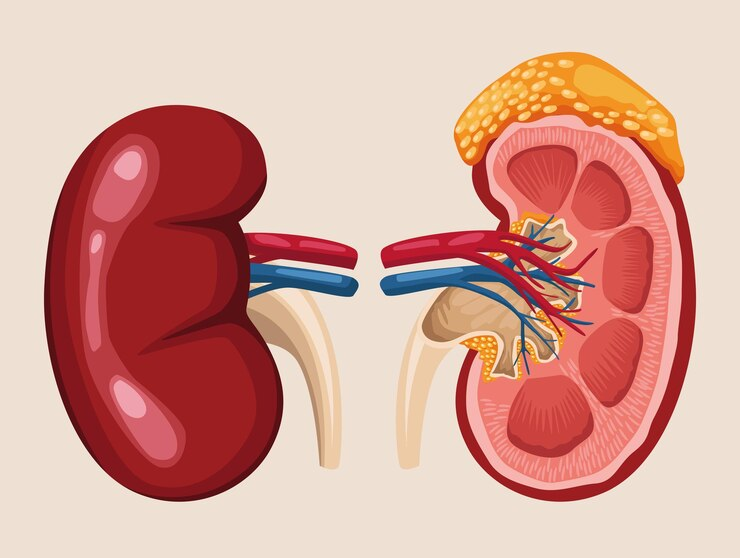
These conditions can lead to kidney failure, requiring dialysis or a transplant, which are both costly and challenging. The rise in diabetes and hypertension has increased kidney disease cases, making it a major health concern.
This context underlines the critical need for innovative solutions like stem cell therapy for kidney regeneration to address the growing healthcare crisis.
Dr. Pradeep Mahajan, a urologist and leading expert in stem cell therapy, highlights the transformative potential of regenerative medicine for kidney diseases. Continued research and development are crucial to making these therapies accessible to patients worldwide.
Talk to us today and stay informed about the latest advancements in stem cell therapy for kidney health.
What Are Stem Cells?
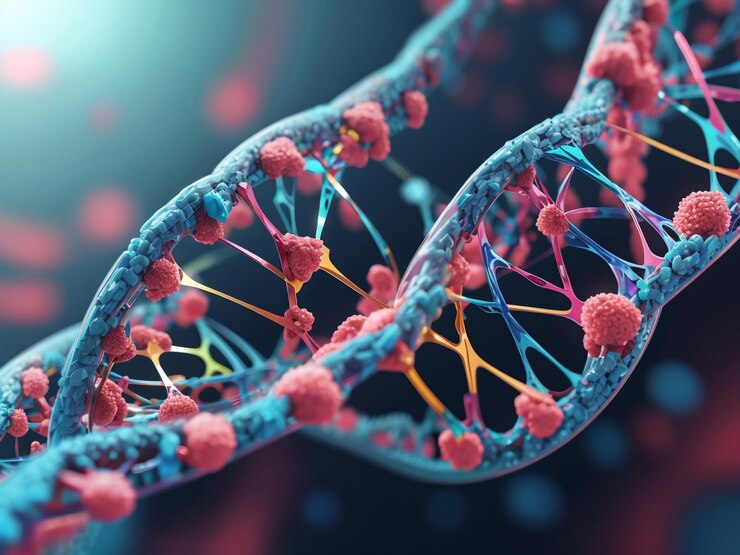
Let's dive into the fascinating world of stem cells.
Stem cells are unique cells that can develop into many different cell types in the body. They can divide and create more stem cells or differentiate into specialized cells like muscles, nerves, or kidneys.
What makes stem cells so special?
Their unique properties include self-renewal (the ability to divide and produce identical stem cells) and potency (the potential to differentiate into various cell types). These qualities make stem cells invaluable for regenerative medicine. Researchers are exploring using stem cells to repair or replace damaged tissues and organs, including kidneys. Stem cells could potentially restore kidney function by regenerating damaged tissue, offering new hope for patients with kidney diseases.
The Science Behind Stem Cells and Kidney Regeneration
Understanding how kidneys get damaged and repair themselves is crucial. Kidneys can suffer damage from diseases like diabetes, high blood pressure, and infections, leading to a loss of function over time. When kidney cells are damaged, the body tries to repair itself, but this natural process is often not enough to restore full function. Scar tissue can form, replacing healthy kidney tissue and reducing the kidneys' ability to filter blood.
Mechanisms of Kidney Damage and Repair:
This is where stem cells come into play. Stem cells can aid kidney regeneration through several mechanisms:
- Differentiation: Stem cells can differentiate into kidney cells, replacing damaged or lost cells.
- Paracrine Effects: Stem cells release bioactive molecules that can reduce inflammation, inhibit apoptosis (cell death), and promote tissue repair.
- Immunomodulation: Stem cells can modulate the immune response, reducing chronic inflammation and fibrosis (scarring) and contributing to CKD progression.
FDA Approval and Regulatory Considerations
The use of stem cell therapy for kidney regeneration is still in the experimental stages, and regulatory approval is a critical hurdle. As of now, the FDA has not yet approved any stem cell-based therapies specifically for kidney regeneration. Most ongoing studies are early-phase clinical trials.
Several research studies and clinical trials are exploring the effectiveness of stem cell therapy for kidney regeneration. Early results are promising. For example, studies have shown that stem cells can improve kidney function in animal models of kidney disease. Clinical trials in humans are underway, testing the safety and effectiveness of various stem cell treatments. These trials aim to determine the best ways to deliver stem cells to the kidneys and measure their impact on kidney function over time.
Challenges and Ethical Considerations
Let's look at the obstacles and ethical concerns in stem cell therapy for kidney regeneration.
Technical and Scientific Challenges in Stem Cell Therapy for Kidneys:
- Integration Issues: Ensuring stem cells integrate properly with existing kidney tissue.
- Immune Response: Preventing the body from rejecting the introduced stem cells.
- Long-term Effects: Understanding the long-term safety and effectiveness of stem cell treatments, one of the long-term effects of stem cell transplant is infertility.
Ethical Issues Related to the Use of Stem Cells:
- Source of Stem Cells: Ethical debates around using embryonic stem cells.
- Consent and Donor Rights: Ensuring informed consent from donors and protecting their rights.
- Accessibility: Addressing the potential for unequal access to stem cell treatments based on socioeconomic status.
Regulatory Landscape and Approval Processes:
- Rigorous Testing: Stem cell therapies must undergo extensive clinical trials to ensure safety and efficacy.
- Approval: Agencies like the FDA and EMA have stringent regulations for approving new stem cell treatments.
- Monitoring: Continuous monitoring of approved therapies to ensure ongoing safety and effectiveness.
Navigating these challenges is essential for the safe and ethical advancement of stem cell therapy for kidney regeneration.
Future Prospects of Stem Cell Therapy for Kidneys

Looking ahead, stem cell therapy holds great promise for kidney patients.
Potential Long-Term Benefits of Stem Cell Therapy for Kidney Patients:
- Improved Quality of Life: Stem cell therapy can potentially restore kidney function, reducing the need for dialysis and transplants.
- Reduced Healthcare Costs: By decreasing the reliance on expensive treatments like dialysis, stem cell therapy could lower overall healthcare costs.
- Enhanced Longevity: Better kidney function could lead to longer, healthier lives for patients with chronic kidney disease.
Predictions and Expert Opinions on the Future of Kidney Regeneration:
- Widespread Adoption: Experts predict that stem cell therapy will become a standard treatment for kidney diseases within the next decade.
- Personalized Medicine: Future treatments may be tailored to individual patients, enhancing effectiveness and minimizing side effects.
- Combining Technologies: Integrating stem cell therapy with other advanced technologies, like gene editing and 3D printing, could further enhance outcomes.
Ongoing Research and Future Directions:
- New Clinical Trials: Numerous studies are currently underway to test new stem cell therapies and delivery methods.
- International Collaboration: Researchers worldwide are working together to accelerate advancements in stem cell technology.
- Exploring Other Applications: Beyond kidney regeneration, ongoing research aims to apply stem cell therapy to other organs and conditions, broadening its impact.
The future of stem cell therapy for kidneys looks bright, with the potential to revolutionize treatment and significantly improve patient outcomes.
Stay updated on the latest research and breakthroughs in stem cell therapy to see how it could transform kidney care in the future.
Conclusion
Stem cells offer a groundbreaking approach to kidney regeneration, with the potential to restore function and improve the quality of life for millions of kidney disease patients. Their unique properties allow them to repair and regenerate damaged tissues, presenting a promising alternative to traditional treatments like dialysis and transplants.
Continued research and support for regenerative medicine are crucial to unlocking the full potential of stem cell therapy. By investing in scientific advancements and clinical trials, we can bring innovative treatments closer to reality, offering new hope for those affected by kidney diseases.
Reference:
https://www.ncbi.nlm.nih.gov/pmc/articles/PMC3142450/
https://karger.com/nee/article/126/2/54/378576/Kidney-Regeneration-with-Stem-Cells-An-Overview


