
Whooping cough, or pertussis, is a highly contagious respiratory infection. It is known for uncontrollable, violent coughing, which makes you breathe hard. The whooping cough vaccine plays a crucial role in individual and public health. This guide provides detailed information on the whooping cough vaccine. It will address common queries and concerns and highlight its importance, especially in certain groups such as newborns and pregnant women.
Introduction to Whooping Cough and Its Vaccine
Whooping cough is caused by the bacterium Bordetella pertussis. It is notorious for its severe coughing fits followed by a "whooping" sound during the next breath. Fortunately, vaccination has been a game-changer in controlling the spread of this infection. The whooping cough vaccine is often administered as a part of the DTaP (diphtheria, tetanus, and pertussis) vaccine in children and as Tdap (tetanus, diphtheria, and acellular pertussis) in older children, adults, and pregnant women.
Understanding when and who should receive the vaccine can protect the individual and vulnerable populations around them, such as newborns who are particularly susceptible to the disease.
Whooping cough, also known as pertussis, continues to be a significant global health concern. According to the latest data:
- The World Health Organization (WHO) reported 151,074 pertussis cases globally in 2018.
- A study using 2014 data estimated there were 24.1 million pertussis cases and 160,700 deaths in children younger than 5 years worldwide.
The age group most affected by whooping cough is young children, especially those who are either unvaccinated or incompletely vaccinated. In developed countries, the incidence of pertussis is highest among unvaccinated babies and increases again among teens.
When to Get the Whooping Cough Vaccine
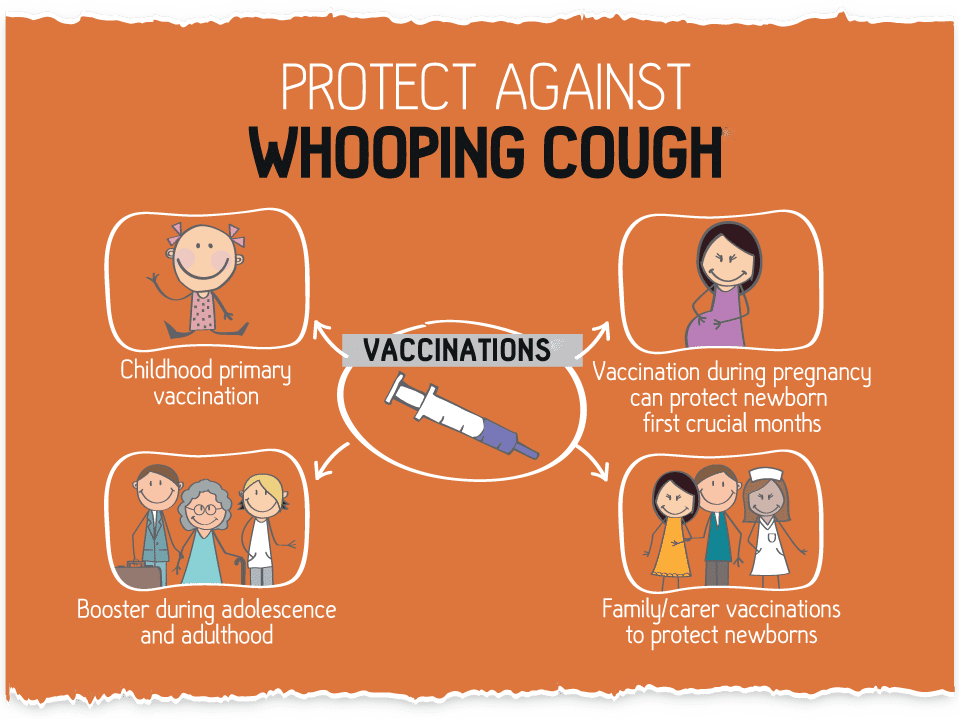
- It is recommended that children should receive five doses of DTaP at the following ages: 2 months, 4 months, 6 months, 15-18 months, and 4-6 years.
- Adolescents should receive a booster shot of the Tdap vaccine at 11 or 12.
- Adults who did not receive Tdap as adolescents should get a single dose, especially if they are in close contact with babies.
Special Considerations for Pregnant Women
One critical timeframe for receiving the whooping cough vaccine is during pregnancy. Expectant mothers are advised to get the Tdap vaccine early in the third trimester, ideally between the 27th and 36th week. This timing ensures that the mother passes on antibodies to her unborn child. It provides the newborn with some protection until they can receive their vaccinations.
Who Needs the Whooping Cough Vaccine?
Vaccination against whooping cough is crucial for:
- Infants and Children: They are the most vulnerable to the effects of whooping cough.
- Pregnant Women: Vaccination during pregnancy helps protect the newborn from whooping cough in infancy.
- Adults and Caregivers: Especially those in close contact with infants and young children.
- Healthcare Professionals: Given their exposure to infected patients and the potential for spreading the disease.
Duration of Vaccine Protection and Booster Shots
The protection offered by the whooping cough vaccine diminishes over time, necessitating booster shots. Children receive the booster as part of the DTaP series, while adolescents and adults receive the Tdap booster. Adults should consider receiving a Tdap booster every 10 years, mainly if they are in frequent contact with young children.
Whooping Cough Vaccine and Newborns
Parents and caregivers often wonder if they need a whooping cough shot to be around a newborn. The answer is a resounding "yes." This strategy, known as "cocooning," helps protect infants by ensuring that those around them are not likely to transmit the disease.
Since March 2024, the Big Island has witnessed a surge in whooping cough cases. Recent cases are suggesting a widening spread of the infection across various areas. Health officials stress the significance of keeping current with pertussis vaccinations, particularly for infants, young children, and individuals with underlying health conditions.
The 3 Stages of Whooping Cough
Whooping cough progresses through three stages:
- Catarrhal Stage: Resembles a mild respiratory infection with symptoms like runny nose, sneezing, and low-grade fever.
- Paroxysmal Stage: Characterized by severe coughing fits followed by a high-pitched "whoop" sound.
- Convalescent Stage: The recovery phase, where the cough gradually subsides but can still last for months.
Safety and Side Effects of the Whooping Cough Vaccine
The whooping cough vaccine is considered safe for most people. Common side effects include:
- mild fever,
- redness or swelling at the injection site, and
- occasional body aches.
Serious side effects are rare and should be discussed with a healthcare provider if they arise.
Availability and Cost
The vaccine is available at clinics, hospitals, and pharmacies. The cost can vary based on location. Health insurance plans and public health programs often cover it due to its importance in controlling a preventable disease.
Conclusion
The whooping cough vaccine is a key element in preventing it and the complications that can arise from it. Vaccinating protects the individual and contributes to broader community health by reducing the spread of the disease. Always consult a healthcare professional to tailor the timing and frequency of vaccinations to individual health needs and circumstances.
This comprehensive guide aims to empower individuals with knowledge about the whooping cough vaccine, ensuring they understand why it's important and when it should be administered.
Reference: