

Did you know?
According to WHO, colorectal cancer ranks third on the global list of most common cancers. Shockingly, it is the 2nd leading cause of cancer deaths, 10% of total cancer-related deaths. That's not all – In 2023, an estimated 153,020 people will suffer from colorectal cancer and 52,550 will die from the disease.
What's even more concerning?
This will include about 3750 deaths in individuals younger than 50 years.
Studies show that since the mid-80s, colorectal cancer rates have been increasing in adults in the age group 20–39 years. These rates have increased by about 2% every year in people younger than 50 years, from 2011 through 2019.
Medical experts are looking into the reasons behind the rising number of colorectal cancer cases in younger people. This worrying trend has put a spotlight on understanding its causes and risk factors.
Take the first step toward healing. Request a Free Consultation

What are Colorectal Cancer Warning Signs in the 30s?
Yes, there are warning signs or symptoms of colorectal cancer in 30s. Take a look at them to know if you are suffering:
- Unexplained changes in bowel habits
- Presence of blood in the stool
- Abdominal pain or cramping
- Unexplained weight loss
- Fatigue
- Iron deficiency, with or without anemia, is the most common symptom of colorectal cancer. New evidence, indicates that reduced iron intake and low systemic iron levels correlate with cancer spread.
- Persistent, unexplained discomfort or pain in the abdomen may occur.
If you experience any of these symptoms, schedule an appointment today for consultation.
Remember, early detection can lead to more effective treatment and better outcomes.
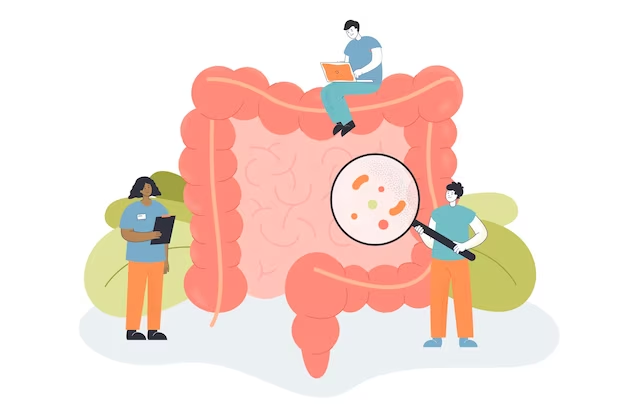
New research has uncovered a concerning pattern. Although new advancements have happened in reducing the number of colorectal cancer cases. But, there is a concerning increase in colorectal cancer in young population. Alarming trends state increased colorectal cancer incidence for individuals aged 30–39.
Why does Colorectal Cancer develop in the 30s?
The chances of colorectal cancer at 30 include:
- Family history
- Genetic predisposition, like Lynch syndrome. Identifying patients with Lynch syndrome is clinically important. Because their risk of colorectal cancer ranges up to 80%.

- Unhealthy diet
- Lifestyle factors like excess smoking and alcohol
How is colorectal cancer diagnosed in younger individuals?
Look at the key steps in the diagnostic process:
- Medical History and Symptoms: Review your medical history. This includes any family history of colorectal cancer or related conditions. Discuss your symptoms with your doctor, like changes in bowel habits, blood in the stool, abdominal pain, unexplained weight loss, or fatigue.
- Physical Examination: To detect abnormalities in the abdomen or rectum.
- Blood Tests: A complete blood count and liver function tests are conducted to look for signs of anemia or other abnormalities.
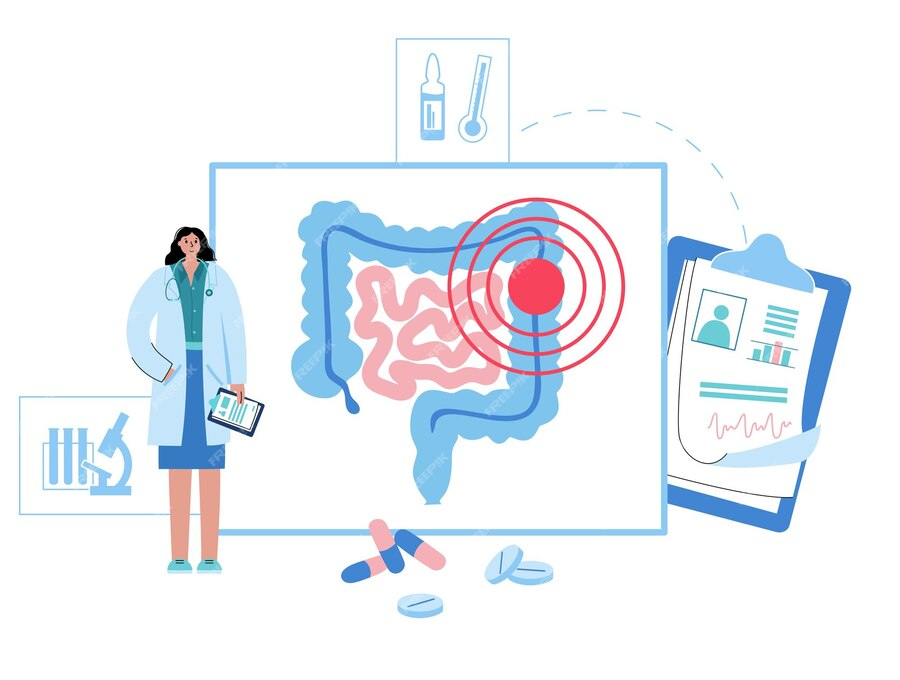
- Colonoscopy: It is a key diagnostic tool. It can detect polyps, tumors, or other abnormalities.
- Biopsy: Your biopsy can be taken for further analysis. It gives information about the stage of cancer.
- Imaging: Imaging tests like CT scans, MRI scans, or virtual colonoscopy (CT colonography) may be used to evaluate the extent of the cancer. It also tells you if your cancer has spread to other organs.
- Genetic testing: Genetic testing can identify mutations linked to colorectal cancer in people with a family history or suspected genetic predisposition.
- Stool Tests: Faecal blood tests and immunochemical tests can detect the presence of blood in your stool. This may indicate colorectal cancer.
- PET Scan: Detects the spread of cancer to other body parts.
Early diagnosis can lead to more effective treatment and better outcomes. Connect with your doctor to get personalized treatment as soon as you notice any unusualness in your health.
Can lifestyle changes reduce the risk of colorectal cancer in one's 30s?
Yes, making lifestyle changes can lower your risk of colorectal cancer in your 30's and even at any age.
Look at some key lifestyle modifications to consider:
Lifestyle Change | Effect on Colorectal Cancer Risk |
| Maintain a Healthy Diet | Consume fruits, vegetables, and whole grains Limit red and processed meats Increase fibre content |
| Regular Physical Activity | Moderate-intensity exercise per week. |
| Limit Alcohol and Quit smoking | Decreases risk |
| Maintain a Healthy Weight | Reduces risk |
| Get adequate calcium and vitamin D | May have protective effects |
| Screening and Early Detection | Follow recommended screening guidelines, especially if you have risk factors. |
| Manage Stress | Follow stress-reduction techniques like meditation, yoga, or counseling. |
| Hydration | Stay well-hydrated Adequate water intake may reduce risk. |
| Family History | Know if you have a family history of colorectal cancer. If so, go for frequent screenings. |

What are the treatment options for colorectal cancer in younger individuals?
The treatment options for colorectal cancer if you are in your 30s are similar to those for older patients. Let's look at the primary treatment options:
Surgery: This is often the first line of treatment. It involves removing your cancerous tumor.
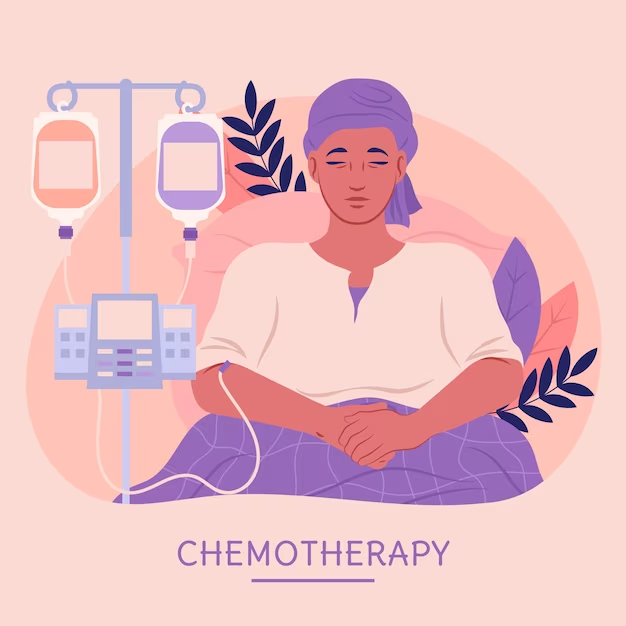
Chemotherapy: Chemotherapy uses drugs to destroy cancer cells. It may be given before surgery to shrink the tumor or after surgery to destroy any remaining cancer cells.
Radiation Therapy: High-energy beams target and kill your cancer cells.
Targeted Therapy: Targeted therapies are drugs that specifically target the processes or molecules that promote cancer growth.
Immunotherapy: It stimulates the body's immune system to recognize and attack cancer cells.
Follow-Up: Regular follow-up is essential to monitor recurrence and manage potential side effects of treatment.
Consult your doctor to determine the most appropriate treatment plan based on your specific circumstances. Early detection and treatment will significantly improve your chances of a successful outcome.
Is there a recommended screening age for colorectal cancer for individuals in their 30s?
Yes, there is a recommended screening age for colorectal cancer, which is 45. If you have certain risk factors, like a family history of colorectal cancer or specific genetic conditions, you might need to consider earlier screenings, possibly in your 20s or 30s.
Can colorectal cancer in younger individuals be prevented?
Yes, you can prevent colorectal cancer in your 30s by using the following methods:
Healthy Lifestyle: Maintaining a healthy lifestyle is crucial. Eat balanced with more fruits, veggies, whole grains, and less red and processed meats to reduce risk factors.
Studies have shown evidence of an association between lower colorectal cancer risks and higher intakes of dietary fibre, dietary calcium, and lower intakes of alcohol and red meat.
Regular Physical Activity: Brisk walking or jogging can lower the risk.
Quit alcohol and smoking: Lowering alcohol intake and giving up smoking greatly reduces the risk.
Maintain a healthy weight: Obesity and excess body fat are associated with an increased risk.
Screening: Regular screening starts if you have a family history or other risk factors, to detect early-stage cancer.
Family history: If yes, then consider earlier or more frequent screenings.
Genetic testing: It may identify specific genetic mutations associated with the disease.
Though it may not be completely avoidable, you can decrease the risk of developing colorectal cancer in your 30s through the implementation of preventive measures. By doing so, you will significantly reduce your chances of developing colon cancer.
Your well-being is our priority - call us to book your appointment today.


